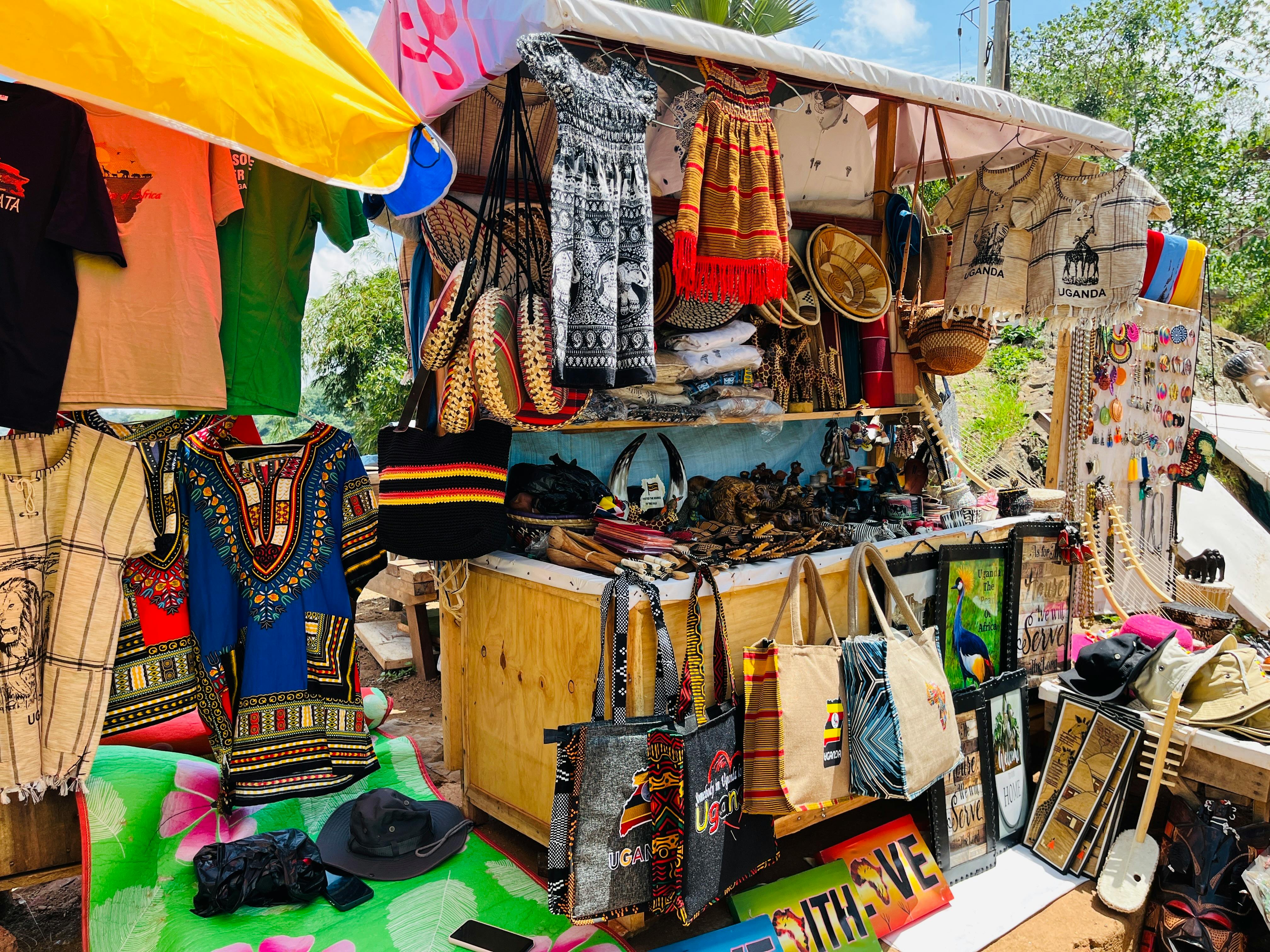
Turning Old Clothes Into Everyday Impact
Bags With A Story — Bags With A Story — Bags With A Story — Bags With A Story —
[ Setting the Scene ]
At Re-BagAfrica, we believe sustainability should be accessible, practical, and beneficial for everyone. That’s why we’ve introduced the Sponsored Sustainability Model—an innovative approach where advertisers fund the production of reusable bags, we manufacture them, and supermarkets distribute them to customers at no cost. This model transforms eco-friendly shopping into a win-win partnership: advertisers gain meaningful brand visibility, supermarkets strengthen their sustainability credentials, and communities receive durable, reusable bags that reduce plastic waste. By aligning environmental responsibility with smart business strategy, we’re creating a future where sustainability is not just a choice, but the standard.
// A PORTRAIT OF PURPOSE: SOMEONE WHOSE BAG CARRIES MORE THAN BELONGINGS
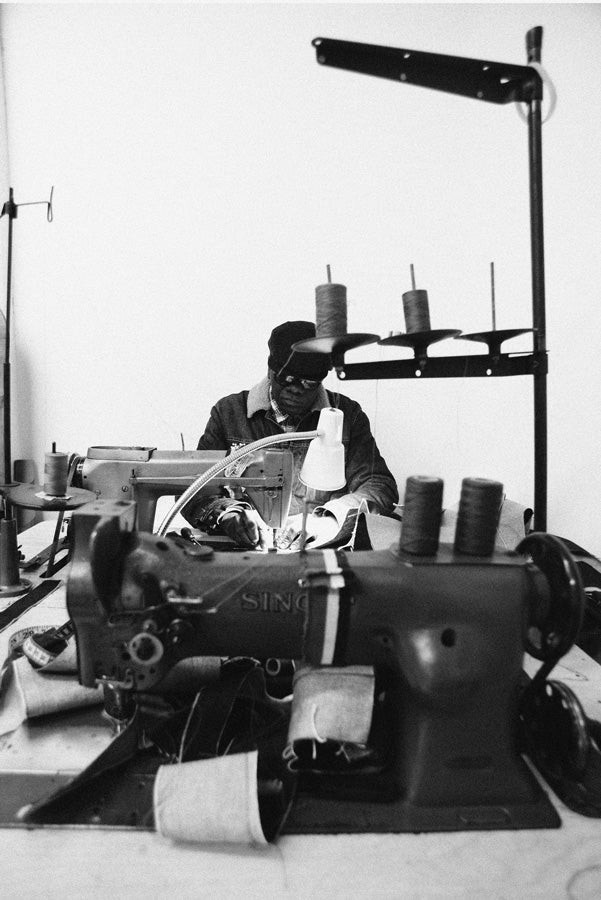
HANDCRAFTED USING ZERO-WASTE TECHNIQUES
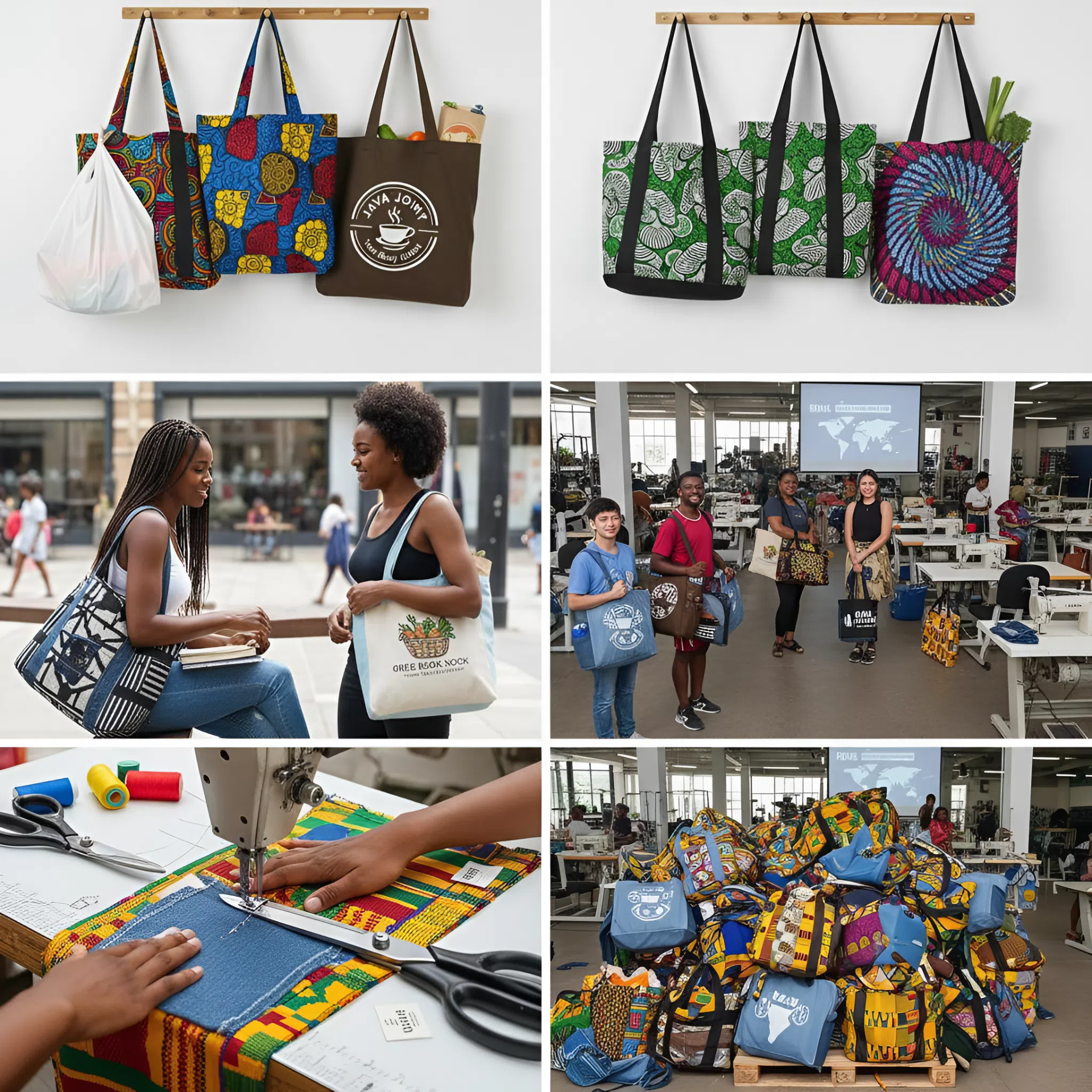
CRAFTED THROUGH THE REBAG PROCESS
Dive Into New Success Stories
[ Case Studies ]
How is Sustainable Design Reshaping What We Carry?
Consumer consciousness has rapidly shifted, moving beyond guilt-driven eco-choices to actively seeking beautiful, recycled products that reflect personal values and challenge throwaway culture.
Craftsmanship in the Age of Waste
[ TURN EVERYDAY BAGS INTO MOVING ADVERTISEMENTS]
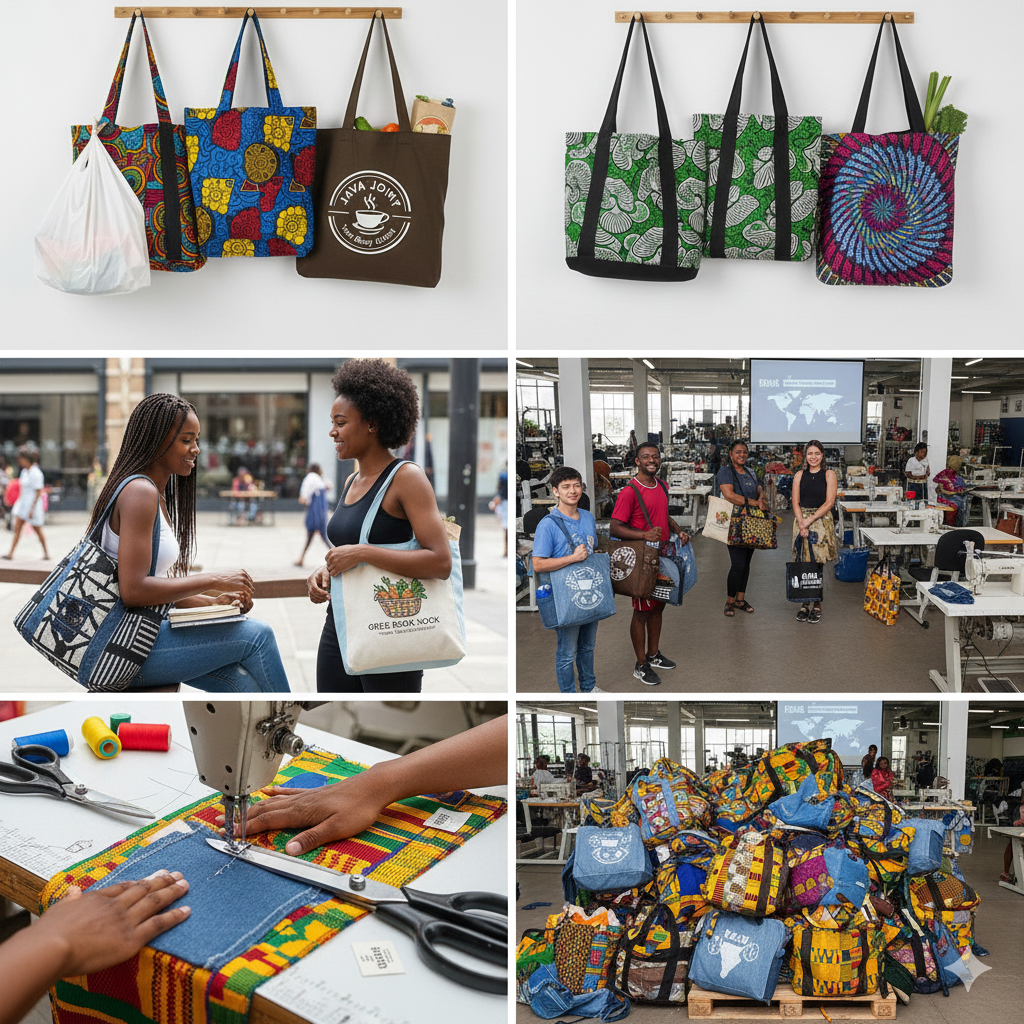
Re-BagAfrica transforms recycled textiles into durable shopping bags that double as mobile advertising platforms. Instead of a static billboard on one road, your brand travels through streets, buses, markets, and malls carried by real people every day. Retailers distribute the bags, customers use them daily, and advertisers gain constant visibility across the city.
Core Brand Message
[ CARRY THE MESSAGE.CARRY THE CHANGE. ]
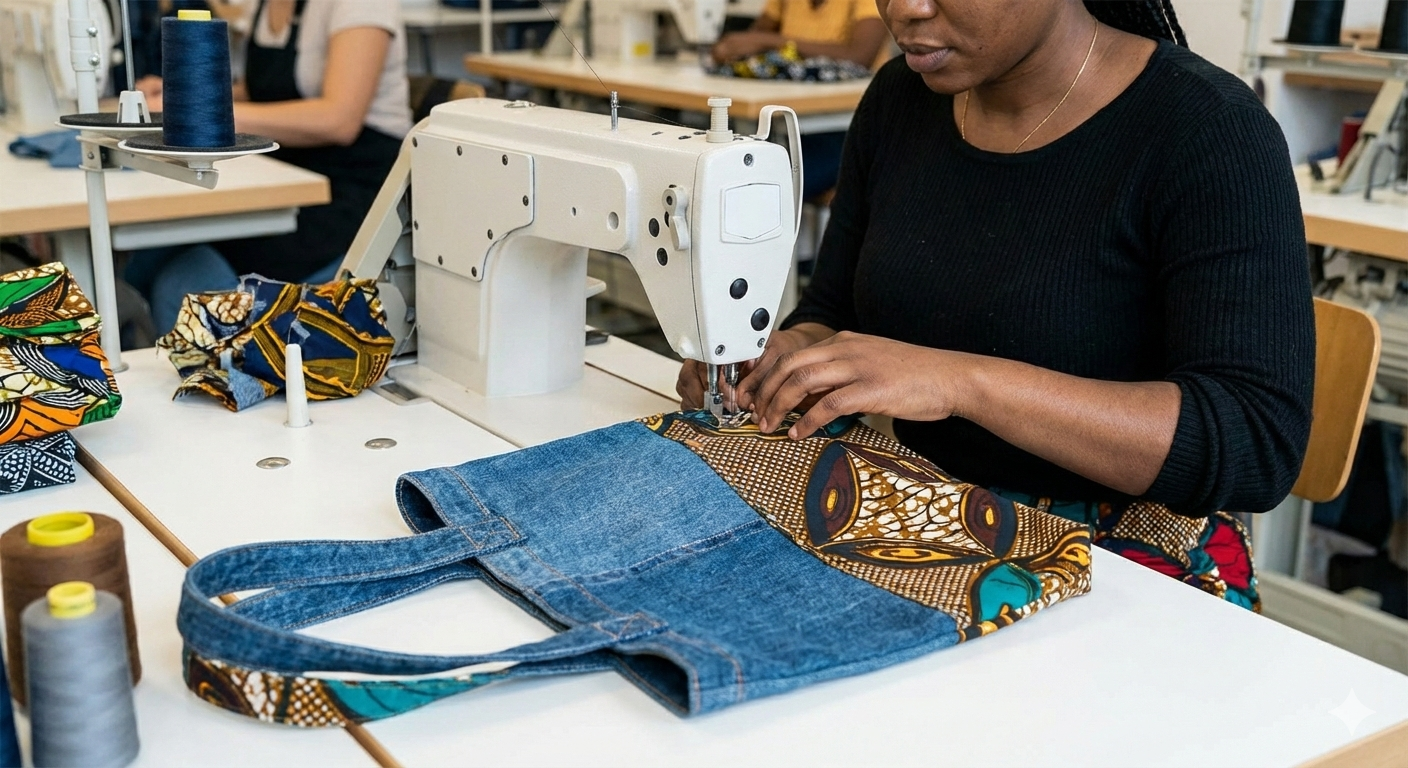
Re-BagAfrica converts textile waste into durable bags that function as moving advertising platforms. Retailers distribute them. Customers use them every day. Brands travel across cities. The result is a circular system where sustainability, business growth, and urban visibility work together.
Why the Model Works
[ ADVERTISING FUNDS SUSTAINABILITY ]
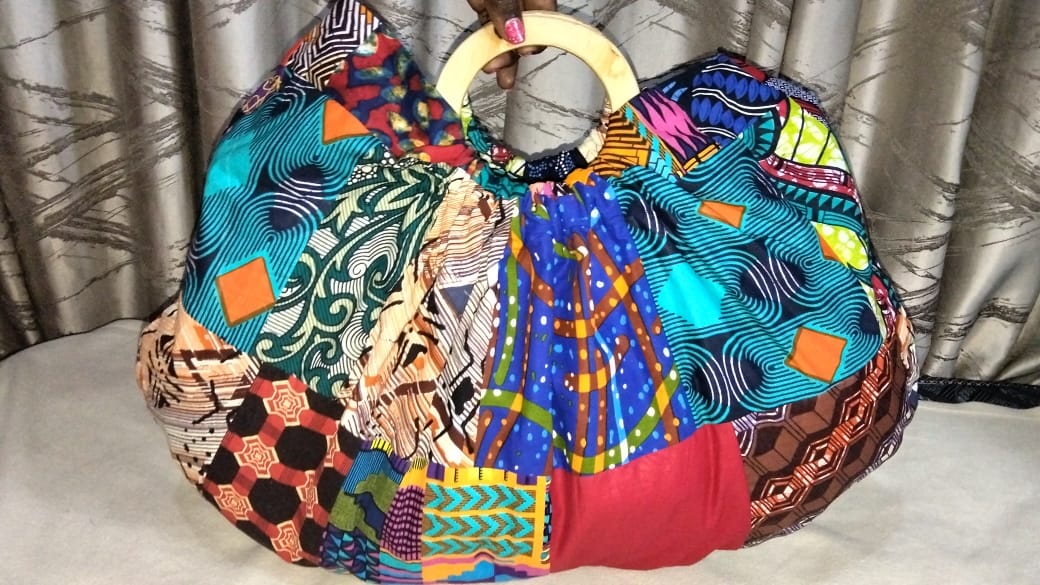
Because the bags are made from recycled textiles, raw material costs remain very low. Most of the economic value comes from branding, sponsorships, and advertising campaigns. This means: Advertising pays for circular production. Circular products become financially self-sustaining. Environmental impact and business growth reinforce each other. This combination makes the model attractive to investors, sustainability programs, and brand partners.

What Happens When Sustainability Becomes Visible?
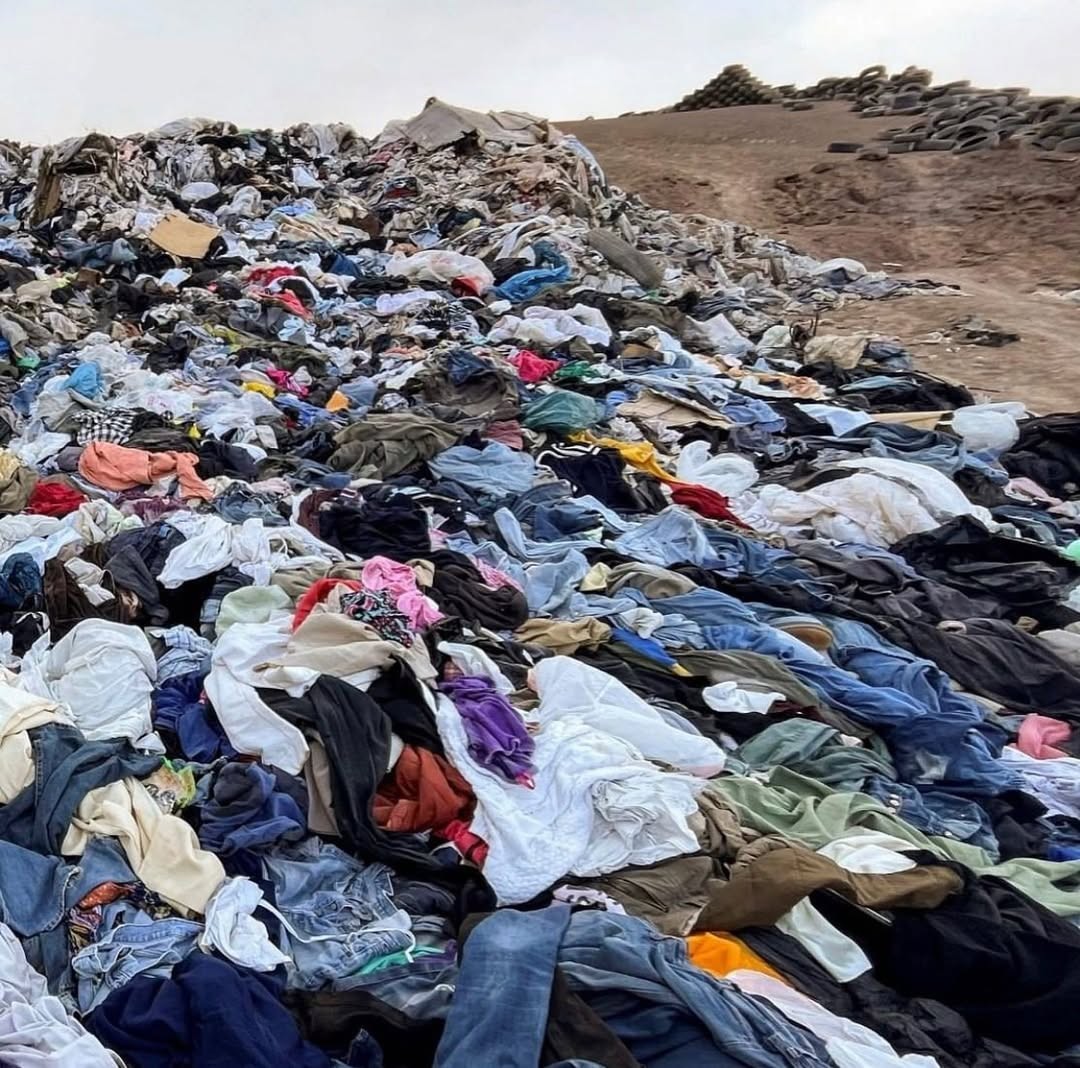
When sustainable choices are no longer hidden behind labels or corporate reports, they become part of everyday life. A ReBag turns environmental responsibility into something people can see, carry, and share in public spaces. Each bag moves through streets, markets, and malls, replacing plastic, reducing textile waste, and broadcasting a message of conscious living. Visibility creates accountability, sparks conversation, and normalizes better choices—proving that sustainability has greater impact when it is lived out loud rather than practiced quietly.


